Table of Contents
Stress and anxiety vs. anxiety: How to tell the distinction Stress and anxiety is characterized by too much worry and fear, while depression is marked by persistent despair and a loss of interest. You can have both psychological health and wellness problems. Anxiousness and clinical depression are two typical problems that influence both your psychological and physical wellness and can disrupt your day-to-day live with tasks and relationships.
In this post, we'll information the key similarities and vital differences in between the two conditions. Anxiety and anxiety are two of one of the most common mental health and wellness disordersand although both problems stand out from each various other in terms of just how they are identified and treated, some signs of depression and stress and anxiety overlap and several individuals experience both.
Self-Compassion as a Tool Depression Treatment in San Francisco
As an example, if you have intense sensations of fear or worry, it can result in sensations of despondence and despair. Without treatment symptoms of anxiety can likewise create anxiety feelings of worthlessness or aggravation can develop into anxiety and concern. And though they share these commonness, anxiousness and clinical depression are two different classifications of conditions.
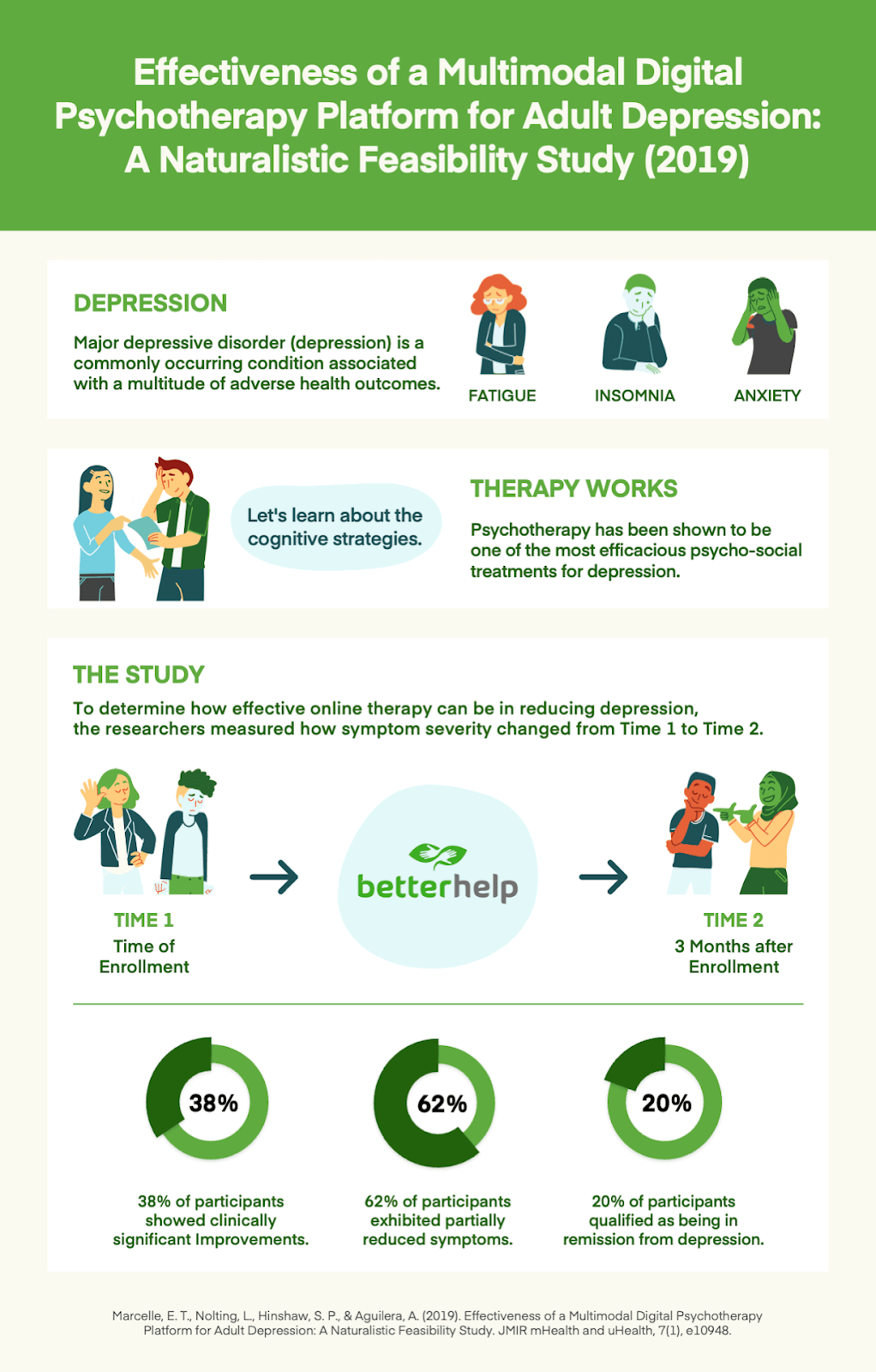
Stress and anxiety isn't something you can talk or reason your method out of by yourself, so if you think you might be experiencing a stress and anxiety problem, reach out for specialist aid. To find out more concerning sorts of stress and anxiety disorders and just how they are treated check out: Anxiety problems: A summary of the 5 major types. Clinical depression is a kind of mood condition and typical psychological health condition that influences exactly how you really feel, believe, and act.
Parts Work Addressing Trauma
Anxiety can also make it tough to believe, concentrate, or retain details. Experiencing bouts of despair is an expected feeling and part of daily life, however professional depression is different because these feelings and thoughts persist for at the very least 2 weeks together with various other symptoms. It's approximated that greater than 16% of U.S.
Females experience anxiety regularly than menand participants of the LGBTQIA+ area are also at a boosted danger for clinical depression. Various other risk factors consist of genes (family members), individuality (like reduced self-worth), ecological aspects (like hardship), and biochemistry, suggesting an inequality in particular mind chemicals. While anxiety shows up various for each person, according to the Analysis and Analytical Manual of Mental Illness, fifth version (DSM-5) to be diagnosed as clinical anxiety, 5 or more signs and symptoms have to be present and need to last for at least two weeks.
Signs That Medication and Therapy Enhances Treatment for Depression
If you're not quite really feeling like on your own, make a consultation with a medical care service provider like your PCP or a therapist or psychiatrist, which are clinical doctors that specialize in treating mental health conditions. These conditions are intricate and obtaining a precise medical diagnosis is the initial step to feeling far better.
And individuals that are diagnosed with anxiousness are likewise most likely to have anxiety, too. This isn't unexpected due to the fact that anxiety can place you in jeopardy for anxiety since signs of irritation, isolation, and uneasyness can transform right into feelings of sadness, pessimism, and loss of rate of interest in pastimes. If you're experiencing these signs and symptoms for an extended period, it's ideal to seek specialist aid early to lower the danger of co-occurring conditions and boost treatment outcomes.
There are reliable therapy choices and medications that can aid alleviate signs and symptoms related to both conditions. Often, it's easy to disregard your stress and anxiety and anxiety, thinking that it's "okay sufficient," or that it'll "simply vanish" with time. And while it's true that there are various extents to the disorders, when anxiety or anxiety obstructs of everyday jobs or connections, it could be a sign that you require some added assistance.
The Power of Couples Therapy Works Through Relationship Challenges With Compassionate Support
Read Time: 8 Minutes Anxiety and depression are 2 of the most common psychological wellness conditions we see. And though Anxiety and clinical depression are two of the most common psychological wellness problems we see.
On a high degree, stress and anxiety involves too much stressing or stress and anxiety concerning the outcome of a scenario. Clinical depression, on the other hand, is a mood condition that causes overwhelming sensations of sadness or passiveness. We'll study the key distinctions below and evaluate each psychological health problem in a lot more detail. Part of the reason that anxiousness vs clinical depression can be difficult for many individuals to determine is that there are overlapping signs in both problems.

Navigation
Latest Posts
Mindfulness Practices for OCD
Addressing Acculturation Stress Using Professional Support
DBT: Fostering Interpersonal Effectiveness for Mental Health